ESA cover independent contractors
Many workers and business owners often ask, “Does ESA cover independent contractors?” The Employment Standards Act Ontario (ESA) provides protections for employees, but independent contractors are generally not considered employees under the law. This distinction is important because it determines who is entitled to minimum wage, overtime pay, vacation pay, public holiday pay, and other protections outlined in the Employment Standards Act Ontario. Understanding the scope of ESA coverage helps clarify the rights of workers and the responsibilities of employers.
The Employment Standards Act Ontario was designed primarily to protect employees in traditional employment relationships. Employees are individuals who work for an employer under a contract of service, meaning they are hired to perform work under the direction and control of the employer. In contrast, independent contractors operate under a contract for services, meaning they are in business for themselves and have control over how they complete their work. Because of this fundamental difference, independent contractors are generally excluded from ESA protections, including entitlement to minimum wage, overtime, vacation pay, and statutory leaves.
Although independent contractors are not covered by the Hours reduced at work legal rights, the classification between employee and contractor is not always straightforward. Courts and government agencies look at several factors to determine a worker’s status, such as the level of control the employer has over the work, whether the worker provides their own tools, the degree of financial risk assumed, and whether the worker can subcontract or hire assistants. Misclassification of employees as independent contractors can result in legal consequences, including penalties for failing to comply with the Employment Standards Act Ontario.
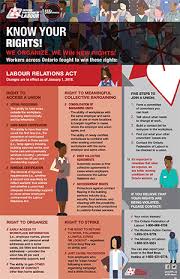
Does ESA cover independent contractors?
Workers who are unsure of their classification often ask, “Does ESA cover independent contractors?” It is important to assess the nature of the working relationship carefully. If a worker is deemed an employee rather than a true independent contractor, they are entitled to all protections under the ESA, such as minimum wage, overtime, vacation, and termination notice. Misclassification can be challenged through the Ministry of Labour, Training and Skills Development, which has the authority to investigate complaints and determine the proper classification of workers under the Employment Standards Act Ontario.
Employers also need to be aware that while independent contractors are not covered by the ESA, other legal protections may apply. For instance, contractors may have rights under contract law, human rights legislation, or health and safety regulations. Properly distinguishing between employees and independent contractors is crucial to ensure compliance with all applicable laws. Businesses that misclassify employees to avoid ESA obligations may face legal action, back pay claims, and fines, highlighting the importance of understanding the distinctions outlined in the Employment Standards Act Ontario.
In conclusion, the question, “Does ESA cover independent contractors?” is answered largely in the negative. The Employment Standards Act Ontario protects employees but does not generally extend to independent contractors, who are considered self-employed. However, determining the correct classification is critical, as misclassification can have significant legal and financial consequences. Employers must carefully evaluate their working relationships to ensure compliance with the ESA, while workers should be aware of their rights and the criteria used to distinguish employees from independent contractors under Ontario law.